

Can Your Skin Feel Your Emotions?
Understanding the Skin-Brain Axis and Your “Emotional Skin States”
Have you ever noticed that your skin seems to change depending on how you're feeling?
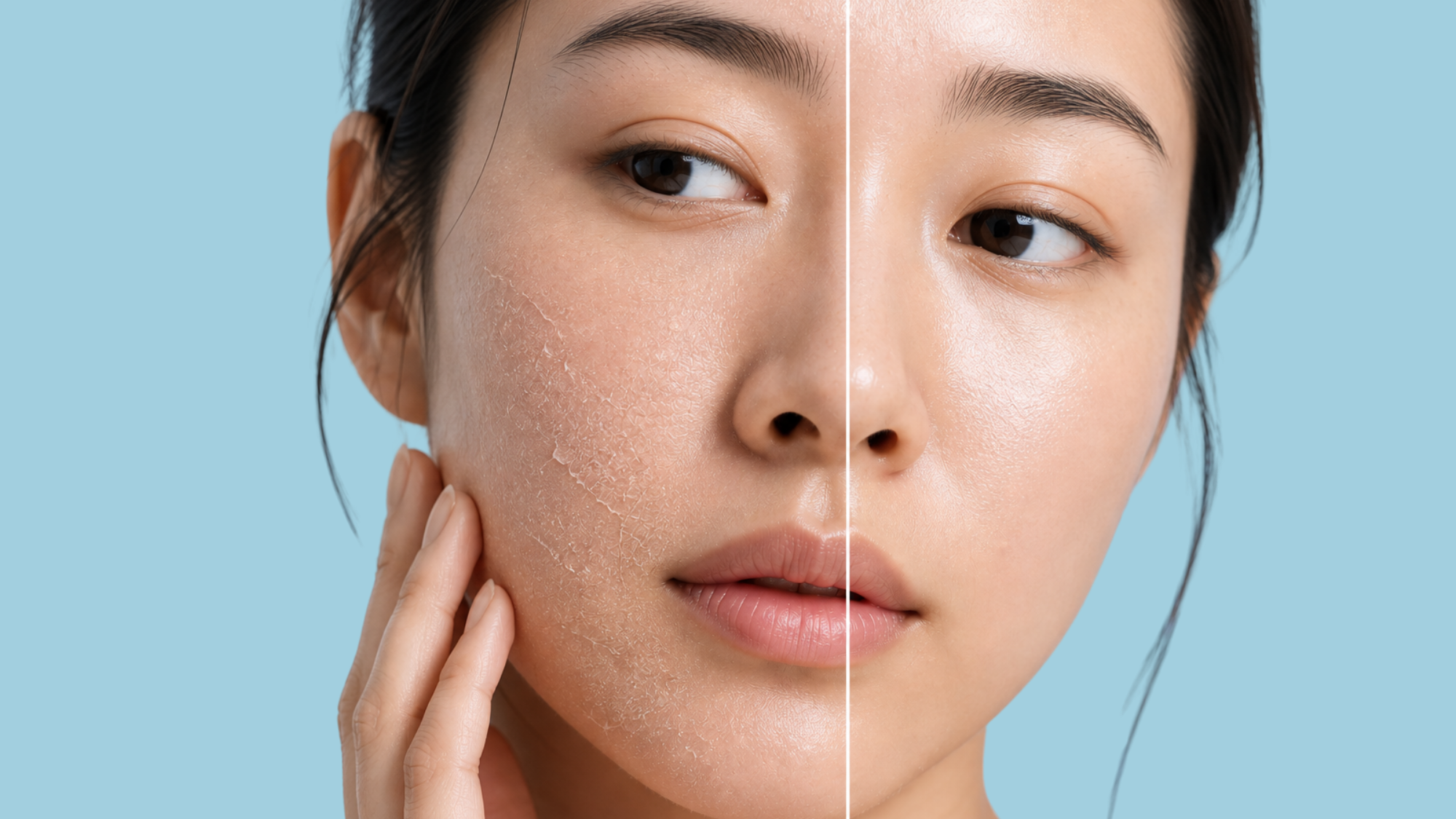
After a stressful day, your skin may feel more sensitive.
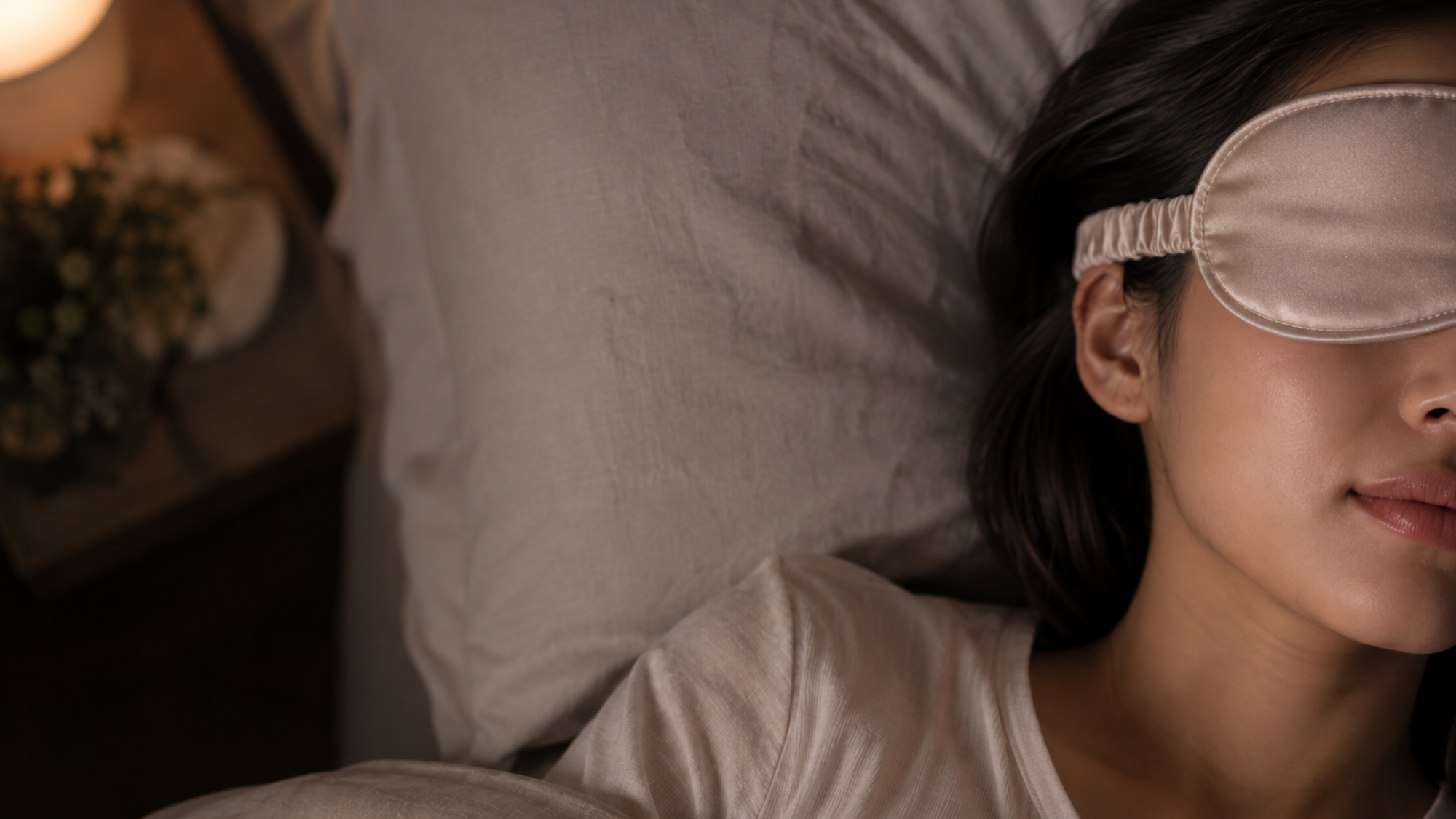
After several restless nights, it may look tired or dull.
And when life feels overwhelming, your skin can sometimes seem to have a mind of its own.
There's a reason for that.
Your skin and nervous system are closely connected, and researchers often refer to this relationship as the skin-brain axis.
Your Skin and Brain Are Always Communicating
Your skin isn't simply a protective layer around your body.
It contains nerves, immune cells, and other structures that communicate with the nervous system. At the same time, what's happening in the brain and nervous system can influence how the skin functions.
This means that things like stress, emotions, sleep, and overall well-being can sometimes show up in the way your skin looks and feels.
And that got us thinking:
What if we became more aware of these changes instead of immediately trying to fix them?
What Are “Emotional Skin States”?
“Emotional skin states” isn't a medical diagnosis.
It's simply a way to describe something many of us have experienced: our skin can seem different depending on what we're going through.
😟 Anxious Skin
You've had a stressful day.
Your mind is racing, your body feels tense, and suddenly your skin feels more reactive than usual.
Stress can influence processes involved in the skin's barrier and inflammatory response, which may contribute to changes in how your skin feels.
😮💨 Burnout Skin
You've been running on empty.
You're sleeping less, feeling exhausted, and haven't had much time for yourself.
Your skin may begin to look tired, dull, or less resilient.
Sometimes what we casually call “burnout skin” is simply a reminder that your body may need more rest and care.
😌 Rested Skin
Then there are those periods when you've been sleeping well, taking care of yourself, and feeling more balanced.
You may notice your skin looks more refreshed and healthy.
It's not that your emotions directly determine your complexion.
Rather, sleep, stress, hormones, daily habits, and skin health are all connected.
So, What Does This Mean for Your Skincare?
Consistency is still one of the most important parts of caring for your skin.
Follow the LING 5-Step Philosophy and give your skin the care it needs.
But when your skin suddenly looks or feels different, it can be helpful to look beyond your bathroom shelf, too.
Try asking yourself:
“What has been happening in my life lately?”
Have you been sleeping well?
Have you been under more stress?
Have you been giving yourself enough time to rest?
Sometimes, your skin can be a gentle reminder to check in with yourself.
Your Nervous System and Your Skin
Your nervous system is constantly responding to what's happening around you.
When you're under pressure, your body can shift into a more alert state.
When you feel safe and relaxed, your body can move toward rest and recovery.
This doesn't mean that relaxing will suddenly give you perfect skin.
It simply means that supporting your overall well-being can be another part of caring for your skin.
That might mean:
- Getting enough sleep
- Taking a walk
- Spending time with people you love
- Taking breaks during a busy day
- Practicing intentional breathing
- Keeping your skincare routine consistent
Small acts of care can add up.
What Can You Do When Your Skin Feels “Off”?
Take a moment to check in.
1. Look at your routine.
Are you still giving your skin the basic care it needs?
2. Look at your lifestyle.
Have you been sleeping, eating, hydrating, and moving normally?
3. Look at your stress levels.
Has something changed recently?
4. Give yourself a moment.
Take a few slow breaths and notice how you're feeling.
5. Be patient with your skin.
Not every change needs an immediate solution.
Your skin can change from day to day. That's normal.
The goal isn't to control every change.
It's to become more aware of what your skin may be telling you.
Skin Care Is a Form of Self-Care
Your skincare routine is an opportunity to care for your skin.
But it can also become a moment to slow down and reconnect with yourself.
Cleanse.
Hydrate.
Treat.
Moisturize.
Then pause.
Take a breath.
Notice how you feel.
Your skin doesn't have to be something you constantly fight or fix.
It can also be a way to become more aware of yourself and the way you're caring for your whole body.
Ready to Add Breathwork to Your Routine?
We've prepared a FREE Breathwork Guide to help you get started.
Inside you'll find:
🎥 A guided breathwork video led by Patrick Chan, CEO of LING Skincare & Certified SOMA Breathwork Instructor
📖 A free breathwork workbook
Download Your FREE Breathwork Guide →
Sources
- The Skin-Brain Connection: Stress, Inflammation and Skin Aging
- The Skin–Brain Axis
- Psychological Stress and Skin Barrier Function
- The Brain-Skin Connection
- The Skin-Brain Axis and Neurocosmetics
“Emotional skin states” is an easy way to describe how stress, emotions, sleep, and overall well-being may coincide with changes in how skin looks and feels. It is not a medical diagnosis or clinical classification.

Leave a comment
This site is protected by hCaptcha and the hCaptcha Privacy Policy and Terms of Service apply.